
About Nepal
“A Land of Mountains, Culture, Diversity, and Opportunity.”
Nepal is a culturally rich and geographically diverse country located in South Asia, nestled between China and India. Although relatively small in size, Nepal is renowned worldwide for its natural beauty, cultural heritage, and spiritual significance.
Nepal is home to Mount Everest, the highest mountain in the world, as well as eight of the world’s fourteen highest peaks. The country’s landscape ranges from the fertile plains of the Terai region in the south to the majestic Himalayan mountain range in the north, creating extraordinary ecological and cultural diversity.
Nepal is also proudly recognized as the birthplace of Buddha, the founder of Buddhism. He was born in Lumbini, a UNESCO World Heritage Site and one of the most important pilgrimage destinations for Buddhists around the world. Nepal’s spiritual heritage attracts thousands of visitors each year seeking peace, reflection, and cultural understanding.
The country is home to a remarkable blend of cultures, ethnicities, languages, and traditions. More than 120 ethnic groups and over 120 languages coexist within Nepal, making it one of the most culturally diverse nations in the world. The values of harmony, tolerance, and mutual respect have enabled people from different backgrounds to live together peacefully for centuries.
Nepal is known for its unique religious harmony. The majority of the population follows Hinduism, while Buddhism, Islam, Christianity, Kirat, and other faiths are also practiced. Temples, monasteries, churches, mosques, and sacred sites can often be found side by side, reflecting the country’s long tradition of religious coexistence and respect.
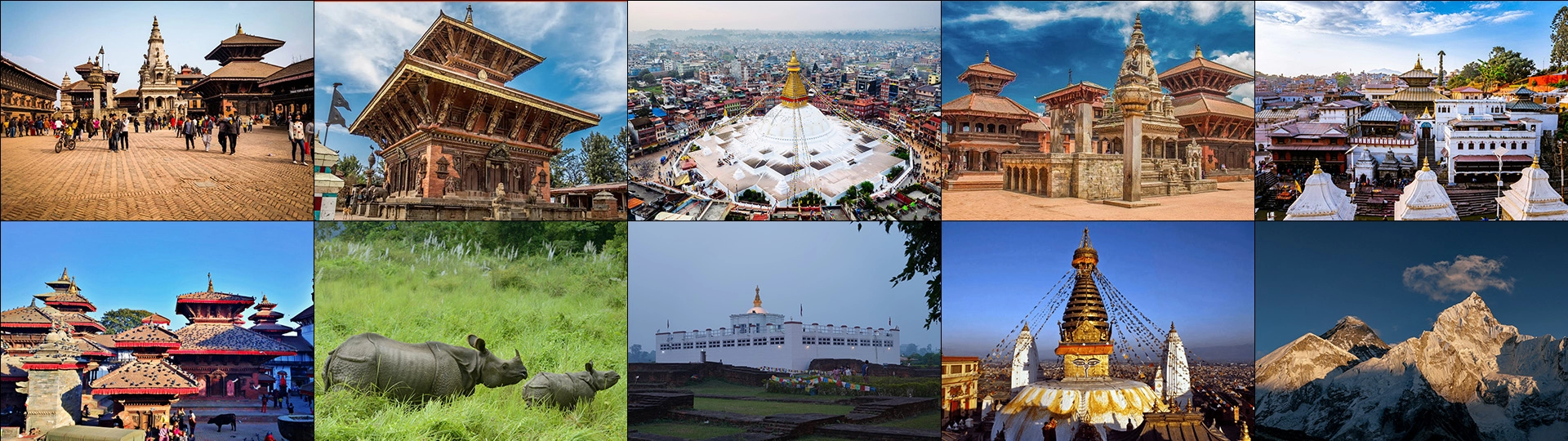
The capital city, Kathmandu, is famous for its ancient temples, palaces, courtyards, and cultural monuments. The historic Kathmandu Valley contains several UNESCO World Heritage Sites, including the sacred Pashupatinath Temple, the iconic Boudhanath Stupa, and the ancient Swayambhunath, often known as the Monkey Temple.
Agriculture remains an important source of livelihood for many Nepalese families, particularly in rural areas. At the same time, the country is experiencing growth in education, technology, entrepreneurship, tourism, and infrastructure development. Nepal’s young population represents tremendous potential for innovation, leadership, and sustainable development.
Despite significant progress, many communities continue to face challenges related to poverty, unequal access to education, healthcare, employment opportunities, and social services, especially in remote and rural areas. Women and girls often experience additional barriers, including gender discrimination, limited educational opportunities, economic dependency, and restricted participation in leadership and decision-making.
Education, empowerment, and equal opportunity are essential to Nepal’s continued development. By investing in women, girls, and marginalized communities, Nepal can build a more inclusive, prosperous, and sustainable future.
At RUWON Nepal, we are proud to contribute to this vision by empowering women and girls through education, leadership development, digital skills training, advocacy, and community-based initiatives. Together, we are helping create a Nepal where every woman and girl has the opportunity to learn, lead, and thrive.